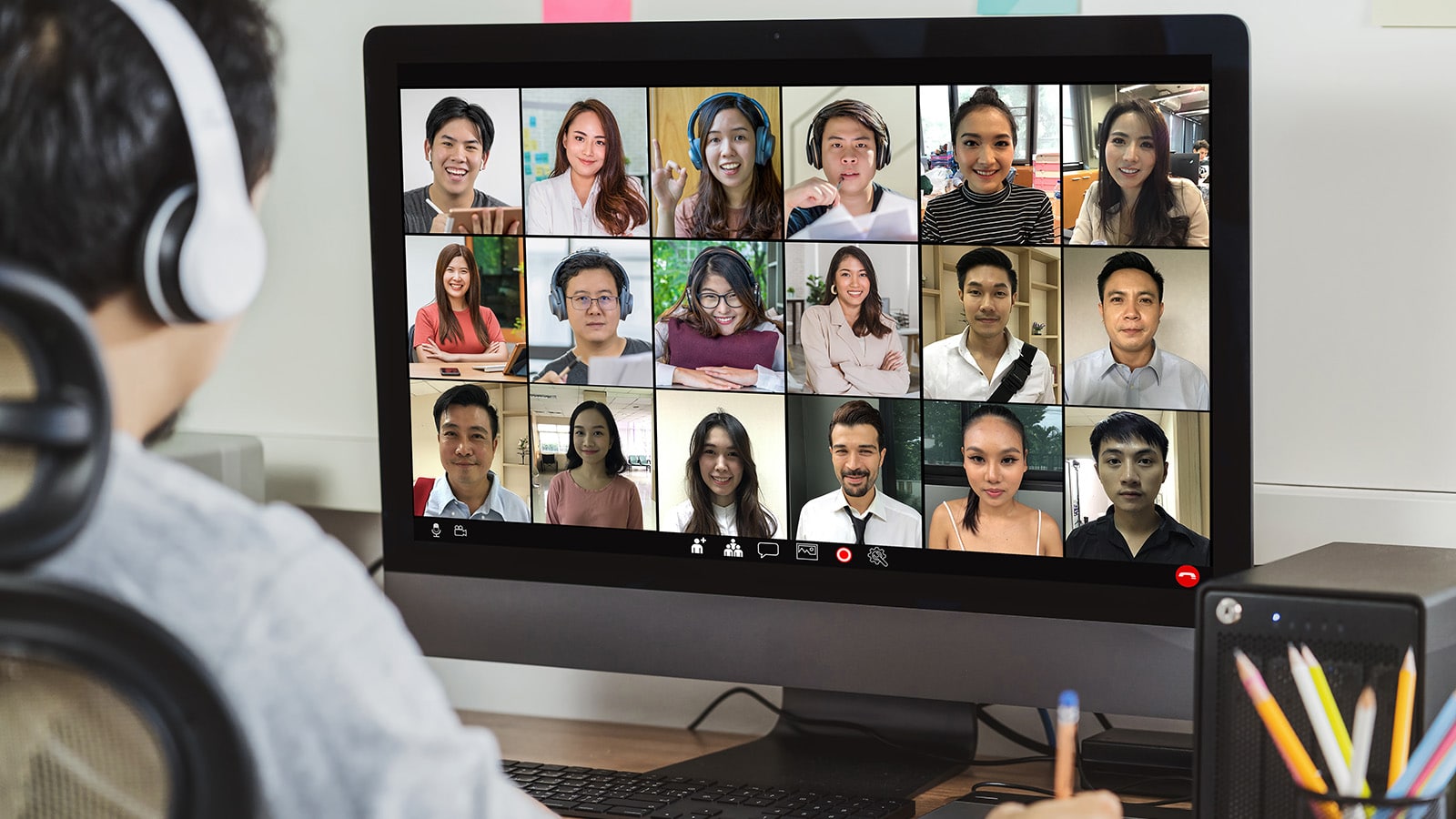
Remote work has become the new normal for many organizations and teams. With the ongoing pandemic, more and more people are working from home, and it has become essential for teams to have the right tools and practices in place to manage remote work effectively. In this article, we’ll explore the best practices for managing remote work and keeping teams efficient, as well as newer SaaS tools and apps that have been introduced in the past two years that teams can try out, rather than relying on the popular ones.
Best Practices for Managing Remote Work
Set clear expectations and goals: The first step in managing remote work is to set clear expectations and goals for your team. This includes outlining the responsibilities of each team member, establishing deadlines and milestones, and setting communication protocols.
Communication is key: Good communication is critical to the success of remote work. Teams should establish clear communication channels and regularly check-in with one another to ensure that everyone is on the same page.
Establish a routine: Establishing a routine can help keep remote workers focused and productive. This includes setting regular work hours, taking breaks, and having a designated workspace.
Encourage collaboration: Remote work can make collaboration challenging, but it’s important to find ways to encourage teamwork and collaboration. This can include regular team meetings, virtual coffee breaks, and online collaboration tools.
Prioritize self-care: Remote work can be isolating, so it’s important to prioritize self-care. Encourage your team to take breaks, exercise, and connect with friends and family.
Invest in technology: Technology is critical to the success of remote work. Invest in the right tools and apps to help your team communicate, collaborate, and stay productive.
Remote Work
Popular SaaS Tools and Apps for Remote Work
Slack: Slack is a popular communication tool that allows teams to chat, share files, and collaborate in real-time.
Zoom: Zoom is a video conferencing tool that enables teams to hold virtual meetings, webinars, and video calls.
Trello: Trello is a project management tool that helps teams track progress, prioritize tasks, and collaborate on projects.
Asana: Asana is a project management tool that helps teams stay organized, track progress, and collaborate on projects.
Google Workspace: Google Workspace is a suite of productivity tools that includes Gmail, Google Drive, Google Calendar, and more.
Microsoft Teams: Microsoft Teams is a collaboration platform that includes video conferencing, file sharing, and project management tools.
Todoist: Todoist is a to-do list app that helps teams prioritize tasks, track progress, and collaborate on projects.
Newer SaaS Tools and Apps for Remote Work
Notion: Notion is a productivity tool that combines project management, note-taking, and knowledge management in one platform.
Airtable: Airtable is a flexible database and collaboration tool that can be used for project management, task tracking, and team collaboration.
Loom: Loom is a video messaging tool that enables teams to communicate more effectively through screen and webcam recording.
Monday.com: Monday.com is a project management and collaboration tool that allows teams to track progress, prioritize tasks, and collaborate on projects.
Figma: Figma is a cloud-based design tool that enables teams to collaborate on design projects in real-time.
Toggl: Toggl is a time tracking tool that helps teams monitor productivity, allocate resources, and bill clients accurately.
Forest: Forest is a time management app that helps teams stay focused and productive by using gamification and gamified rewards.
Conclusion
Remote work can be challenging, but with the right tools and practices in place, it can be a successful and productive way to work. Encouraging clear communication, establishing a routine, prioritizing self-care, and investing in technology are key to managing remote work effectively. While there are many popular SaaS tools and apps available, it can be beneficial to explore newer options that have been introduced in the past two years. Whether you’re using Notion, Airtable, Loom, Monday.com, Figma, Toggl, or Forest, it’s important to find the right tools and processes that work for your team. With the right approach, remote work can be a positive experience for everyone involved.